
Brief-Article | REPORT SYNDICATION
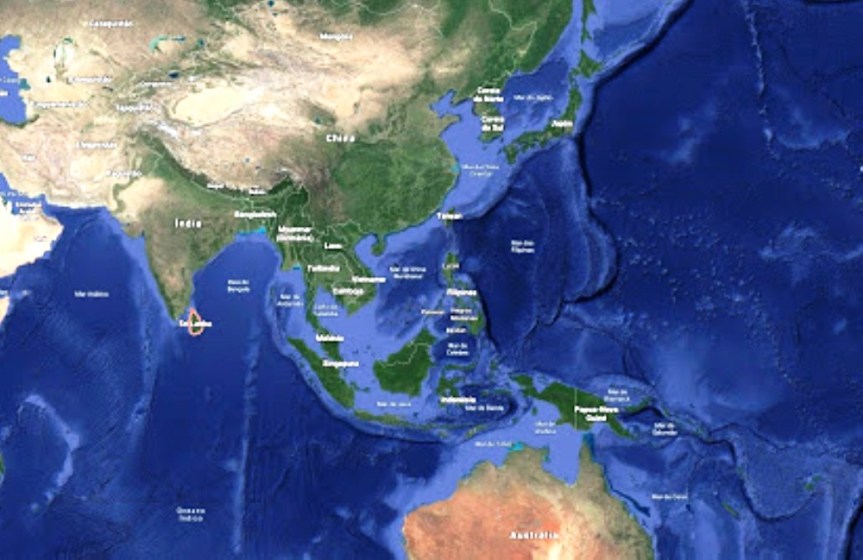
South Asia is increasingly considered part of the Pacific region due to a combination of economic, geopolitical, and environmental factors. Here are some key reasons:
Economic Integration
South Asian countries are enhancing trade and economic ties with Pacific Rim nations. Initiatives like the Regional Comprehensive Economic Partnership (RCEP) and various bilateral agreements are fostering closer economic collaboration.
According to the World Bank, trade between South Asian countries and Pacific Rim nations has increased significantly. For example, India’s trade with ASEAN countries rose from about $20 billion in 2005 to over $80 billion by 2021.
The Asia-Pacific region accounted for 60% of global FDI inflows in 2021. Countries like India and Vietnam have been actively attracting investment from Pacific countries, indicating deeper economic ties.
Geopolitical Alliances
The strategic importance of South Asia has grown, particularly with the rise of China and the interests of the United States and other Pacific powers in the region. This has led to more engagement in security and diplomatic frameworks that connect South Asia to the broader Pacific area.
The Quad alliance (comprising the U.S., Japan, Australia, and India) has been a focal point for strengthening security ties in the Indo-Pacific region. In 2021, leaders from these nations committed to enhancing maritime security and countering regional threats, highlighting South Asia’s role in Pacific geopolitics.
The U.S. has increased military cooperation with South Asian nations, exemplified by joint exercises and defense agreements with India and other countries in the region.
Maritime Connectivity
The Indian Ocean, which borders South Asia, is increasingly linked to Pacific trade routes. The importance of maritime security and trade in this context means that developments in South Asia affect the Pacific region and vice versa.
The Indian Ocean is a crucial maritime route that connects South Asia with the Pacific. Approximately 80% of global trade by volume transits through this region. The construction of the China-Pakistan Economic Corridor (CPEC) and other infrastructure projects reflects the growing importance of maritime links.
South Asian ports, such as Gwadar in Pakistan and Colombo in Sri Lanka, are becoming vital nodes in the Belt and Road Initiative, further integrating them into Pacific trade networks.
Environmental Concerns
Issues such as climate change and natural disasters are common challenges faced by countries in both regions. Collaborative efforts to address these issues are leading to stronger ties and shared regional strategies.
South Asia is among the regions most vulnerable to climate change. The Asia-Pacific region is home to 60% of the world’s population, and issues such as rising sea levels, extreme weather events, and water scarcity affect both South Asia and Pacific island nations. Collaborative regional initiatives, such as the Asia-Pacific Climate Change Adaptation and Resilience Initiative, are being developed to address these shared challenges.
Cultural and Social Links
There are longstanding historical, cultural, and migratory ties between South Asia and Pacific nations, further solidifying their connection in a modern context.
The South Asian diaspora in Pacific countries is substantial. For instance, the Indian community in Australia grew to nearly 700,000 in 2021, strengthening cultural and economic ties between the regions.
There has been an increase in tourism between South Asia and Pacific nations, with destinations like India and Sri Lanka attracting tourists from Australia, New Zealand, and other Pacific countries, further intertwining their cultural connections.
Conclusion
The convergence of economic, geopolitical, and environmental factors is reshaping the dynamics between South Asia and the Pacific region. As trade, investment, and collaboration continue to grow, the integration of these regions is likely to deepen, making South Asia a significant part of the Pacific narrative.
 Report Syndication